How Has Distributed Consensus
Technology Evolved?
Distributed consensus, the foundation of a distributed
system, has been a focus in the computing system field. In recent years,
with the scale-up of the distributed system, increasing requirements for its
availability and consistency has appeared, leading to an increased usage
of distributed consensus.
Throughout the
application of distributed consensus in many industry sectors, from the
dominance of Paxos to the birth of Raft, and seen
rapid evolution of this technology, including the leaderless EPaxos that has attracted much attention.
Today, we will understand the application of distributed consensus in the industry from a
technical perspective and make a comparative analysis in terms of understandability, availability,
efficiency, and applicable scenarios.
What Is Distributed Consensus?
Distributed consensus,
in short, is to make all
processes in a
system to agree on a
single value after one or more processes propose this value.
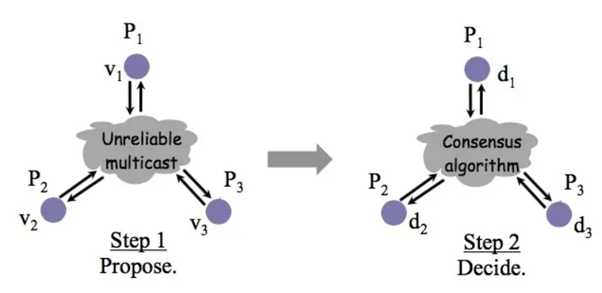
To reach an agreement on a
certain value, each process can put forward its own proposal. Finally, by using
the distributed consensus algorithm, all properly running processes learn the same value.
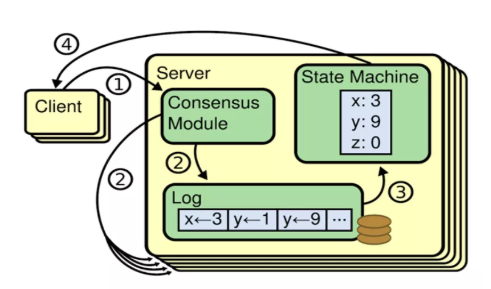
The industrial application of distributed consensus is to build the
multi-replicated state machine model to achieve high availability and strong consistency.
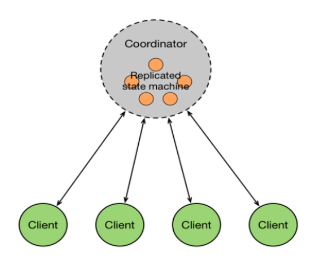
Distributed
consensus allows multiple machines to share the same
state and run the
same deterministic state machine, so that the entire machine can
continue working normally when a few machines fail.